This browser is out of date, so the page may not display correctly. Please update your browser or open the page in a recent version of Google Chrome.

Skip to main content

Technical knowledge

Robots and automation: a new trend in the modern home

AI and the Internet of Things are reshaping the home, from robot mops and sensor lighting to automated security. A new generation of smart devices can run on their own and adapt to the way you live.

  • Published
  • Updated
  • 3 min read
A hand holding a phone that controls the lights, fan and temperature in a smart kitchen
Contents

When technology reaches every corner of the home

No longer the stuff of science fiction, robots and home automation are becoming a familiar part of modern households. From cleaning floors and controlling appliances to home security, they are changing the way people live and run their homes.

Rapid progress in artificial intelligence (AI) and the Internet of Things (IoT) has laid the groundwork for a generation of smart appliances that can work independently and learn their owners' habits.

  • A smart TV on a low cabinet in a living room

    Smart TV

  • Wall-mounted and desktop smart power strips

    Smart plug

The smart home ecosystem: robot vacuums, smart TVs, AI cameras, smart plugs, IoT temperature sensors and connected appliances can all work together in one home

1. AI and IoT: the foundation of the new generation of appliances

Two core technologies are driving the wave of home automation:

  • Artificial intelligence (AI): lets devices learn your habits, make decisions on their own and keep improving over time.
  • Internet of Things (IoT): links separate devices into one ecosystem, with remote control from your phone and real-time status.
  • Smart sensors: measure temperature, humidity, light and motion, and trigger the right action without anyone stepping in.

2. Robot vacuums: from gadget to essential

Among automated home devices, the robot vacuum is the most popular today, with many major brands in the market.

Beyond vacuuming, the latest models can also:

  • Map the home automatically
  • Mop in the same pass
  • Avoid obstacles using AI
  • Return to the dock to recharge and empty the bin

Notably, people increasingly see a robot vacuum not as a premium gadget but as an everyday tool that saves time and effort.

3. What is being automated

Home automation now reaches almost every basic need:

  • Cleaning: robot vacuums, robot mops and automatic air purifiers.
  • Convenience: motion-sensor lighting, curtains that open and close with daylight, remote-controlled sockets.
  • Climate: Wi-Fi air conditioners that adjust temperature in real time, humidifiers and smart fans.
  • Security: AI cameras with face recognition, smart locks and video doorbells.
  • Entertainment: smart TVs, AI speakers and synchronised multi-room audio.

These devices can connect and work together in one shared ecosystem, usually called a smart home.

4. A fast-growing market with clear demand

By many accounts, Vietnam's smart home market is growing fast, driven by:

  • Rising incomes: a growing middle class that is willing to spend on convenience.
  • More affordable devices: robot vacuums from around VND 5–7 million already work well.
  • Better awareness: people understand the benefits and how to get the most from the technology.

With busy city lives, the wish to free people from household chores is clearer than ever.

5. Real benefits for users

Set up properly, an automated home delivers clear value:

  • Less time spent on repetitive daily chores
  • Lower power use, as devices switch off when they are not needed
  • A safer home, especially when nobody is in
  • A more comfortable, modern and personal way of living
A good smart home is one you hardly have to think about: everything happens at the right time, in the right way.

6. The challenge: it is a system, not just devices

For all the potential, there are a few things to consider before you start:

  • Compatibility: devices from different brands do not always speak the same language, so choose your ecosystem from the start.
  • Set-up skills: installing and configuring everything takes some technical know-how, which holds many households back.
  • Data security: always-on cameras, microphones and sensors must be protected against personal data leaks.
  • Running costs: beyond the purchase price, factor in electricity, internet and regular maintenance.

A substandard installation also leads to faults, which is why installation and system integration partners matter more and more.

7. The near future: a home that adapts to you

In the next few years, homes will be not only smart but genuinely understanding:

  • Devices that know you have reached the gate and switch on the air conditioning, lights and music
  • Systems that suggest energy savings based on your actual routine
  • AI that schedules maintenance before anything breaks
  • Robots that clean every day
  • Devices that work together around daily routines

People are shifting from operating their devices to designing how they want to live: say what you want, and the system takes care of the rest.

In summary

Robots and automation are no longer a distant trend; they are becoming the new standard in modern homes.

The difference is not whether a family uses technology, but how it uses it to improve everyday life.

Where Bluebolt Services fits in

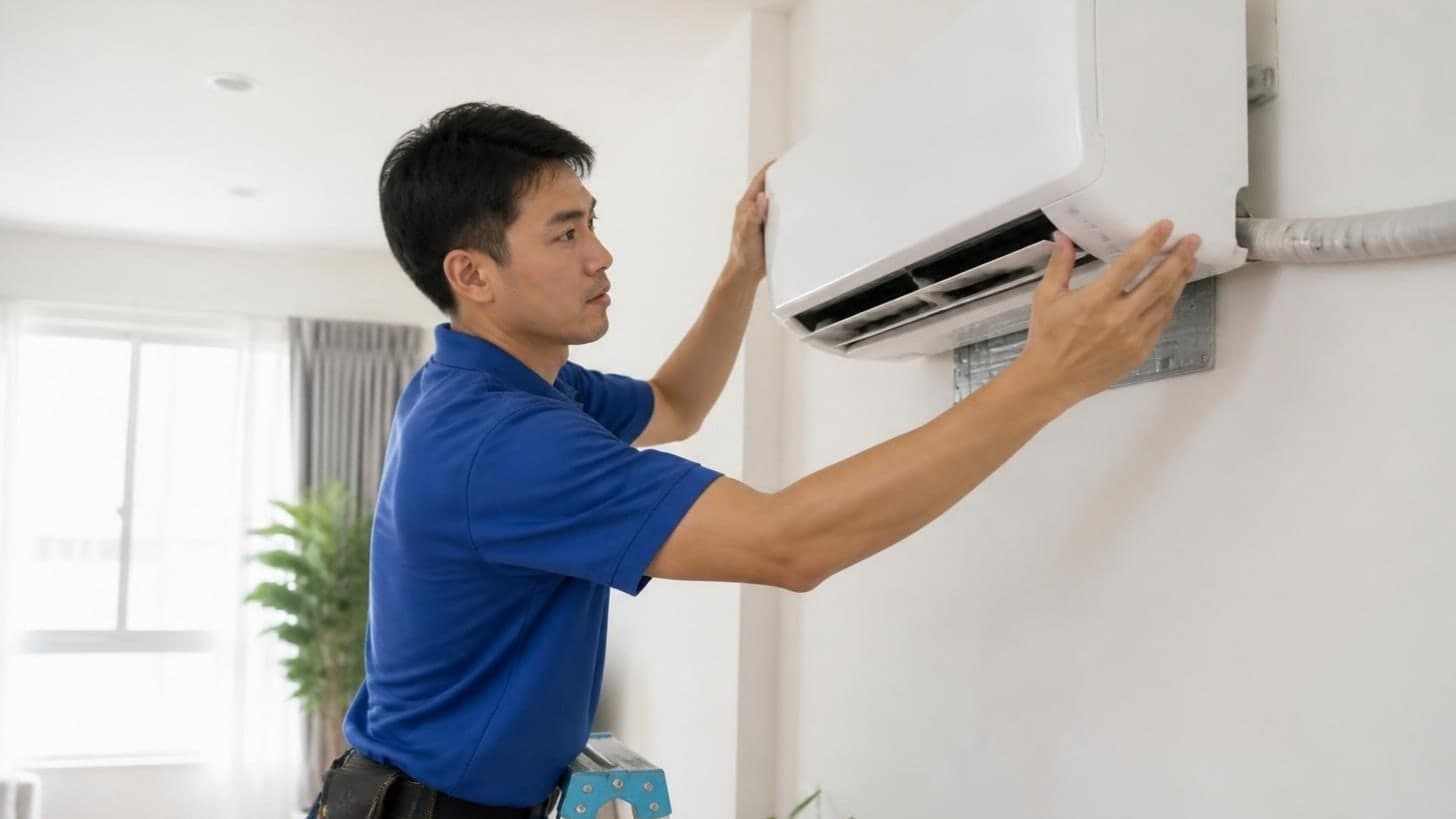
Bluebolt Services installs more than air conditioners: it also advises on, installs and configures smart home devices such as robot vacuums, smart TVs, cameras and smart plugs.

Related articles

For businesses

Need an installation partner for your brand or retail chain?

Bluebolt Services takes air conditioner and appliance installation and maintenance jobs from brands, online marketplaces and retail chains. If you need help after an installation, see our customer support page.